
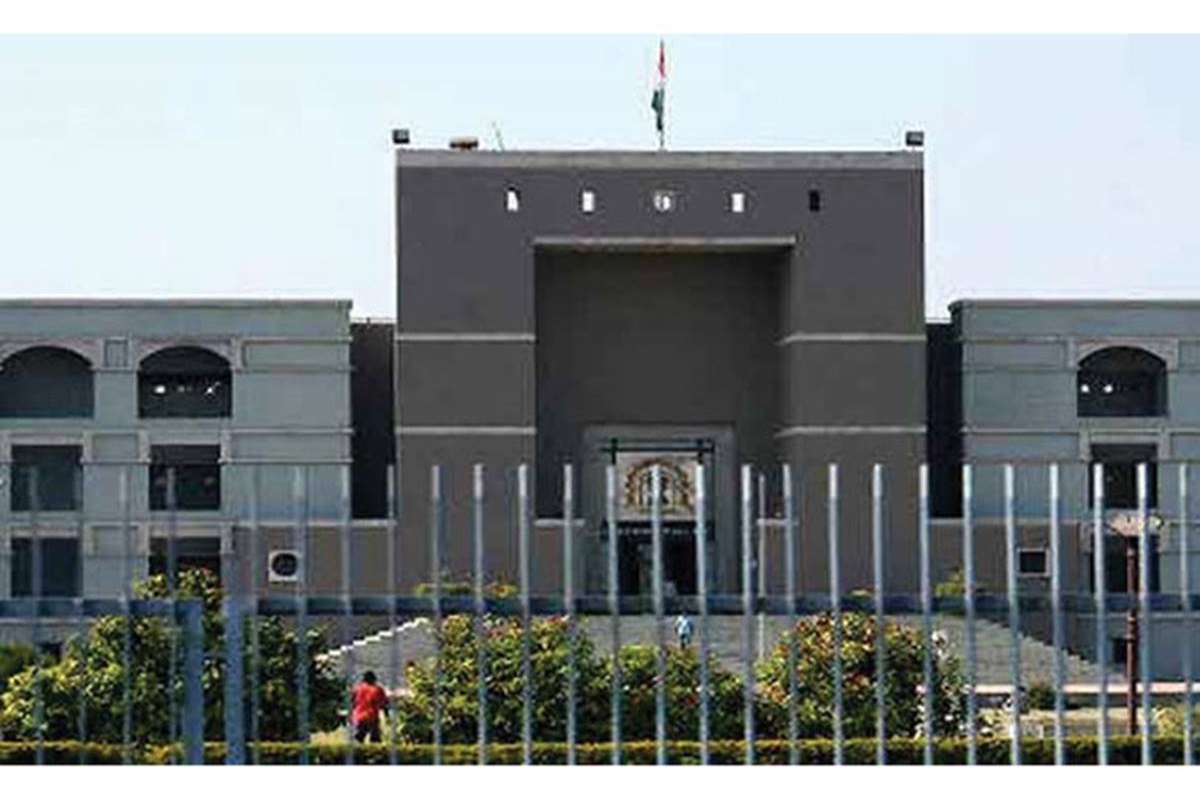
In a significant ruling, the Gujarat High Court has held that private hospitals are liable to pay tax on the sale of medicines, implants, prosthetics, stents, and other consumables provided to indoor (admitted) patients. The court stated that state VAT authorities are well within their rights to recover tax on such transactions.

According to a media report, a result of this judgment, private hospitals across Gujarat could face tax liabilities exceeding ₹1,000 crore.
A division bench of Justice Bhargav D Karia and Justice D N Patel clarified that hospitals cannot escape tax liability by categorizing these charges as part of medical services. The court emphasized that even though healthcare is a service, the transfer of goods involved—such as medicines and implants—constitutes a sale and is taxable.
Leading private hospitals, including Sterling Hospital, Bankers Cardiology, Shalby, CIMS, and Wockhardt, had challenged the imposition of VAT, arguing that the medical services offered to indoor patients were comprehensive and not separate sales subject to tax.
However, the Gujarat government countered by stating that, following the 49th Constitutional Amendment, healthcare services provided by private hospitals fall under the definition of a works contract as per Article 366(29A) of the Constitution when read with Section 2(23) of the Gujarat VAT Act, 2003.
Agreeing with the government’s stand, the High Court ruled that the supply of goods like medicines and medical devices to indoor patients qualifies as a taxable transaction. It upheld the tax as lawful, appropriate, and reasonable.