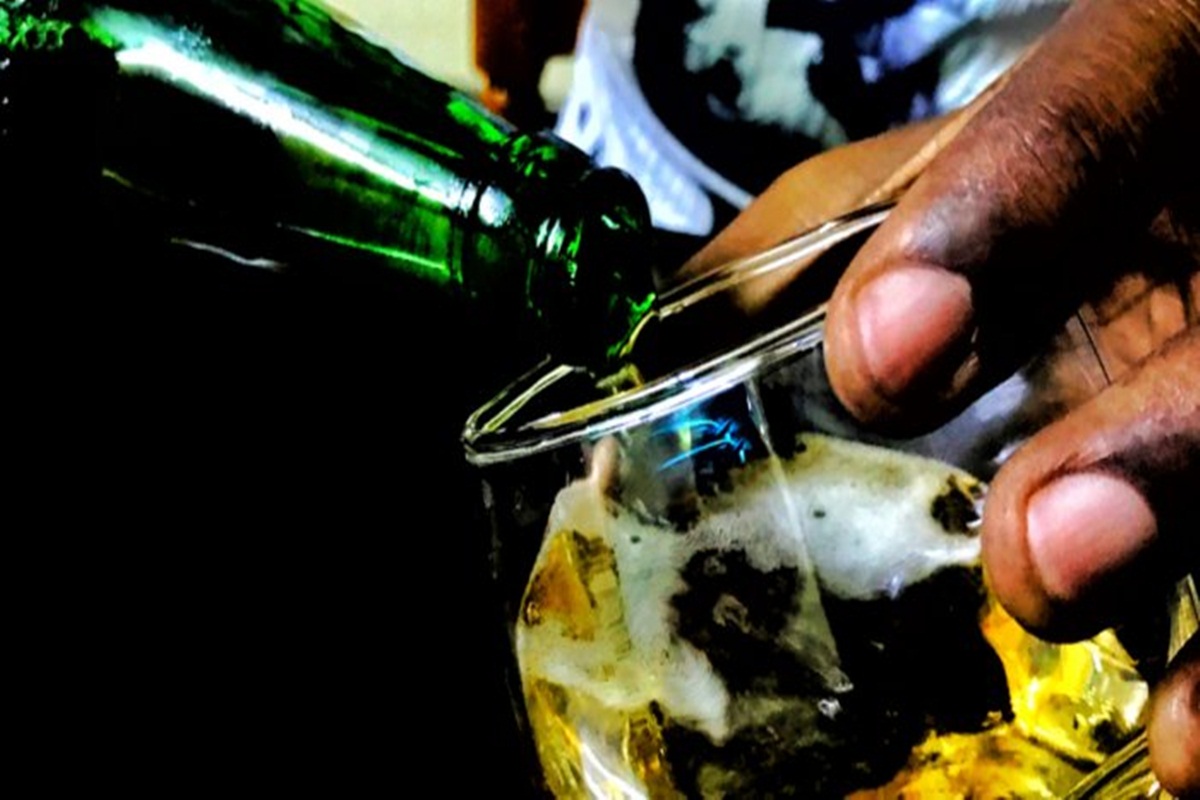
Located in Gujarat’s Banaskantha district, near the Rajasthan border — a region long known for illegal liquor flow — the village of Dhuva has taken a firm stand against alcohol abuse. With a population of around 6,500, the village has launched a strong social movement to tackle the problem head-on.

In a gram sabha held near the Ambaji Temple on July 17, villagers unanimously passed a resolution imposing a ₹11,000 fine on those caught selling liquor and ₹5,000 on those found drinking. The punishment also includes public shaming: offenders will have their heads shaved and be paraded through village streets.
“Many youths go to Rajasthan to drink and return drunk. Others consume country-made liquor. It became such a menace that women felt unsafe walking through the village,” said Sarpanch Galbaji Thakor.
11 Days to Quit or Face Action
Drinkers have been given an 11-day deadline, until July 28, to give up alcohol. After that, the new rules will be strictly enforced. Special village teams will patrol the area to catch violators, who will face on-the-spot action by the panchayat.
More Than Just a Ban
This movement is not just about banning alcohol — it’s part of a broader push to improve life in Dhuva. With a literacy rate of just 41.56% (and only 32.59% among women), the village is also focusing on boosting education. “We are encouraging families to send girls to school and support their studies,” Thakor said.
Plans are also underway to introduce fines for littering, as the village aims to become one of the cleanest and most well-managed in Gujarat.
A Model for Grassroots Change
While liquor smuggling remains a challenge across the Banaskantha-Rajasthan border despite Gujarat’s prohibition laws, Dhuva’s approach is different. Instead of relying solely on police, the village has empowered its own people to lead change — setting an example of grassroots action for others to follow.