
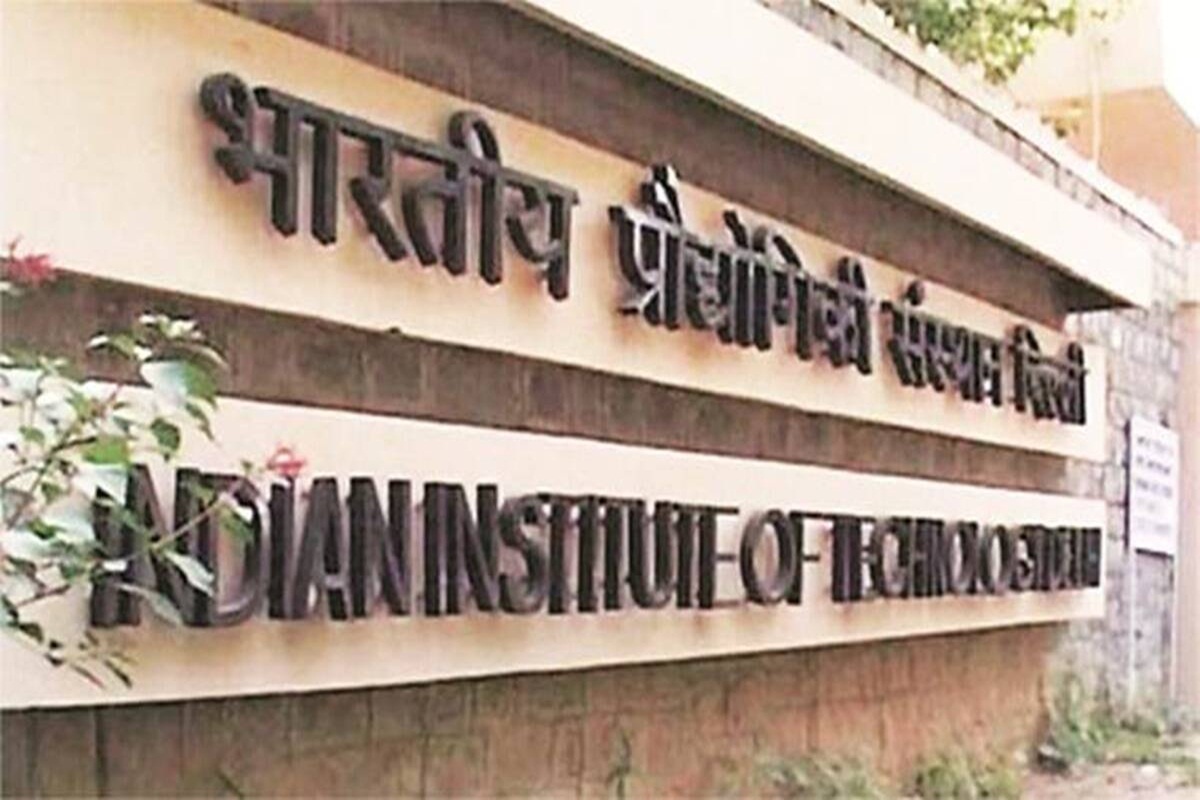
The Indian Institute of Technology Gandhinagar (IITGN) has signed an agreement with the Ministry of Education, Federal Democratic Republic of Ethiopia, to launch the Multidisciplinary International Quality Improvement Doctoral Degree Program (MIQMDDP).

This collaboration marks a significant step for IITGN in expanding academic ties with the African continent.
According to a media report, the programme aims to foster academic cooperation between India and Ethiopia through joint doctoral research, faculty exchange, and co-supervision. It offers Ethiopian scholars the chance to pursue a PhD with guidance and resources from both institutions.
The MoU was formally signed at IITGN by Director Prof. Rajat Moona, in the presence of senior faculty and administrators, including Prof. Surya Pratap Mehrotra, Faculty In-charge of External Relations. Also in attendance was Prof. Krishnaraj Ramaswamy, Joint PhD Coordinator (MoE, Ethiopia) and Principal Scientific Advisor to Ethiopia’s Ministry of Innovation and Technology.
Prof Moona said, “We are looking forward to welcoming Ethiopian scholars under this programme and contributing to the academic and research landscape of both countries through collaborative efforts.”
Meanwhile, Prof Mehrotra said, “The MoU signed between IITGN and the Ministry of Education, Ethiopia, is a gateway for IITGN to engage with the African continent and will open avenues for similar collaborations with other African universities.”
As part of this programme, up to 15 Ethiopian PhD scholars will be selected each year for the next five years. Selected candidates will be jointly supervised by faculty members from their home institute in Ethiopia and the IITGN. They will spend 12-18 months at IITGN, and institutional fellowship support will be provided as per the norms of the institute. The Ministry of Education, Ethiopia, will support international travel for the scholars.
“This partnership marks a new chapter in Ethiopia-India academic cooperation. The MIQMDDP will provide a platform for scholars to benefit from interdisciplinary mentorship, research infrastructure, and global exposure,” Prof Ramaswamy said.