
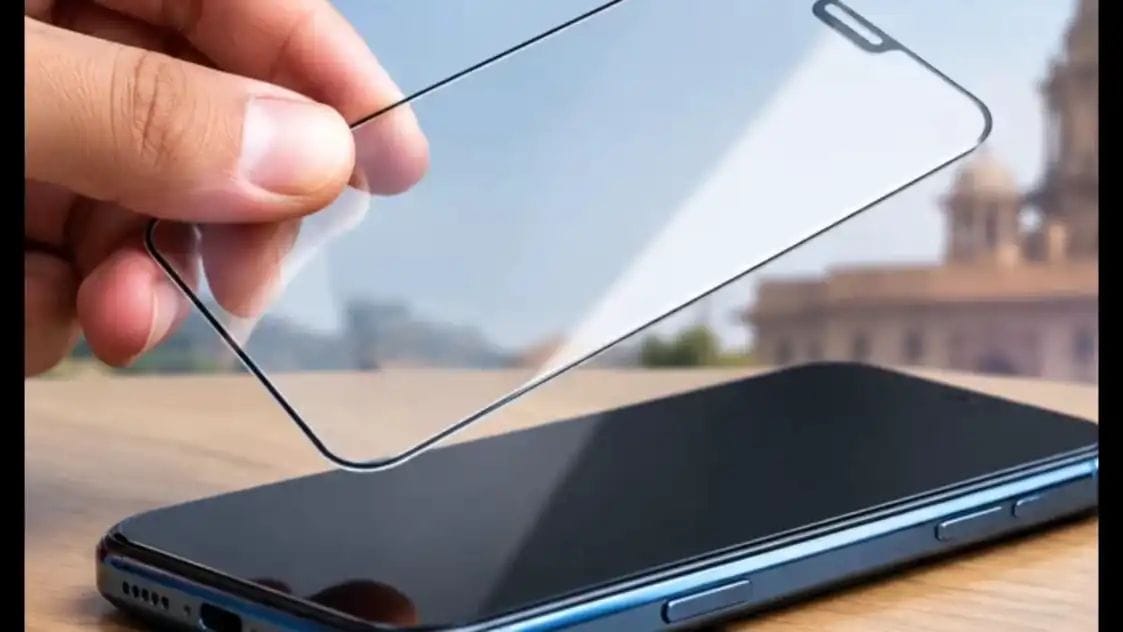
Smartphone users often use tempered glass and other screen protectors to protect displays from scratches and accidental damage. However, the quality requirements for these products are set to change, with smartphone screen protectors coming under mandatory BIS certification rules.

New rules from April 2027
According to a notification issued by the Ministry of Electronics and Information Technology, smartphone screen protectors will have to comply with the Indian Standard IS 19348:2025.
The new requirement will come into effect from April 1, 2027. From then, manufacturers and importers will need to meet the prescribed standards and complete the required BIS certification process before selling the products in India.
Companies have been given time to prepare, including conducting product testing and completing certification procedures.
Standard covers more than phone compatibility
The new standard is not limited to whether a screen protector fits a particular smartphone model. It also sets requirements for the materials and construction of the product.
Parameters such as thickness, size, shape, strength and glass quality will be covered. Manufacturers will therefore have to ensure that their products meet the specified requirements in addition to being compatible with a phone’s display.
Additional protective layers also covered
Many modern screen protectors include additional layers and features. These will also come under the new standard.
The requirements cover components and features such as adhesive layers, anti-shatter films, oleophobic coatings, anti-glare films, blue-light filters and privacy films.
The move is expected to bring more consistency to the quality and design of screen protectors available in the Indian market.
What does it mean for users?
For consumers, the new rules could provide greater clarity about the quality standards screen protectors must meet. Products that fail to comply with the prescribed requirements could face restrictions after the rules come into effect.
The certification requirements could also affect the price and availability of some products, as manufacturers and importers will have to bear testing and certification costs. Some of these expenses could eventually be passed on to consumers.
For now, smartphone users do not need to make any changes. The new requirements are scheduled to take effect on April 1, 2027, giving manufacturers and importers time to bring their products into compliance with the BIS standards.