
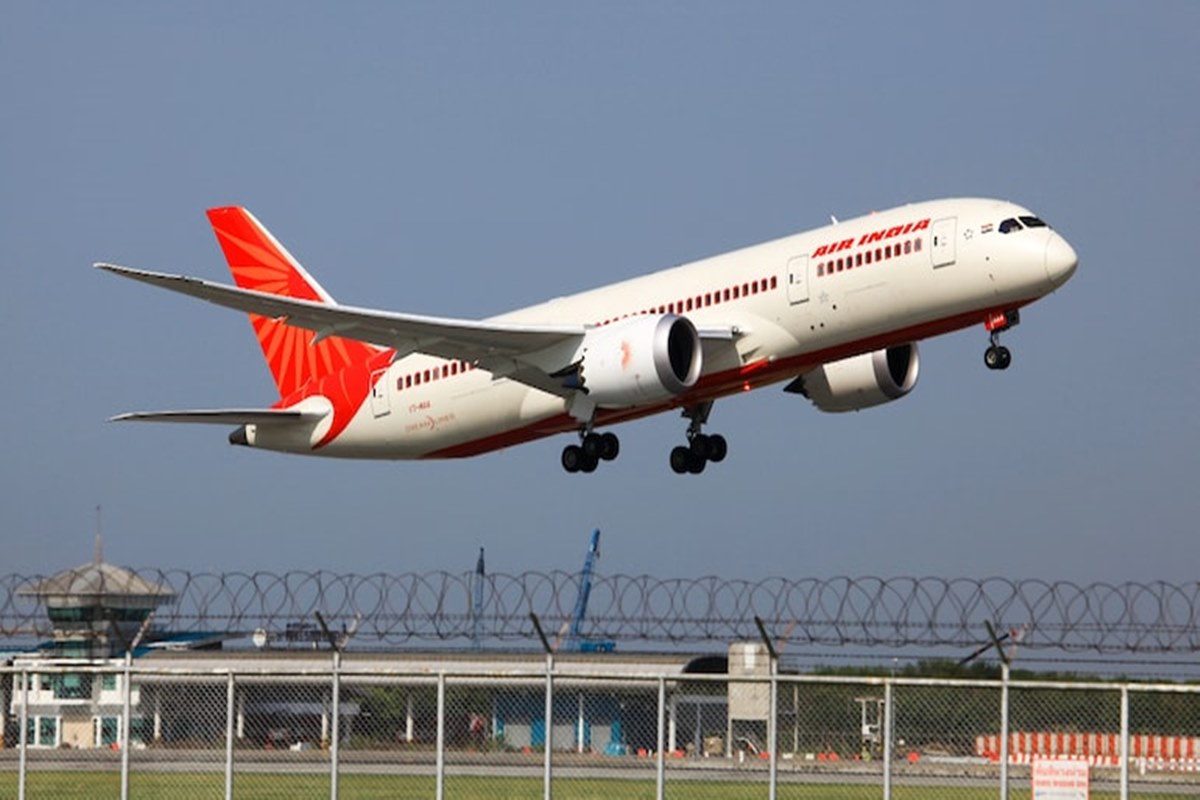
An Air India Airbus A320 carrying 145 people suffered a near-simultaneous loss of all three hydraulic systems while flying at 36,000 feet on a Phuket-Delhi flight on August 4, according to a preliminary report by the Aircraft Accident Investigation Bureau (AAIB).

The incident caused the autopilot to disconnect, triggered a brief stall warning and resulted in an altitude upset that left 24 people injured. The aircraft later landed safely in Delhi.
The AAIB has recommended that the Directorate General of Civil Aviation (DGCA) take appropriate action after the pilot-in-command tested positive for a psychoactive substance following the flight. However, the preliminary report did not establish any link between the pilot’s test result and the hydraulic-system failure or altitude upset.
All three hydraulic systems failed
Flight AI 2379, operated by an Airbus A320-251N registered as VT-EXO, departed Phuket International Airport at 7.11 am IST on August 4. The aircraft was carrying 137 passengers, including three infants, six cabin crew members and two pilots.
At 9.10 am, while flying at 34,000 feet, the aircraft was instructed by air traffic control to climb to 36,000 feet.
At 10.02 am, the aircraft detected a loss of pressure in its green hydraulic system. Within four seconds, the blue and yellow hydraulic systems also showed pressure loss.
The autopilot disconnected almost immediately and a continuous warning chime sounded. Three seconds later, the aircraft issued a stall warning that lasted about two seconds.
The co-pilot was initially flying the aircraft before the pilot-in-command took over. During the incident, the aircraft climbed around 372 feet before losing approximately 292 feet from its assigned altitude.
All three hydraulic systems recovered within seconds, after which the flight controls returned to normal.
24 people injured
The incident occurred while the seat-belt signs were switched off. The sudden movement of the aircraft injured passengers and crew members and caused considerable damage inside the cabin.
The cabin supervisor informed the cockpit crew about the injuries. After assessing the situation, the pilots decided to continue to Delhi instead of diverting to the nearest airport.
The crew later requested medical priority from Delhi air traffic control.
The aircraft landed safely at Indira Gandhi International Airport at around 11 am and reached its parking bay seven minutes later.
Airport medical teams treated 24 people, including 20 passengers and four crew members. Twenty were discharged after treatment for minor injuries, while four people with serious injuries were admitted to hospitals.
Cabin damage included cracked ceiling panels, dislodged overhead-bin doors, broken handrails, damaged passenger-service-unit panels, a broken emergency-exit handle and a lavatory commode that had been uprooted.
Pilot tested positive for psychoactive substance
The preliminary report also highlighted the results of post-flight medical tests.
Both pilots underwent breathalyser tests after arriving in Delhi, and the results were satisfactory. They were subsequently tested for psychoactive substances.
The co-pilot tested negative. The pilot-in-command’s initial test was non-negative, and a blood sample sent to a laboratory for confirmation also returned a non-negative result.
AAIB did not disclose the substance detected or state whether it had any operational impact on the flight.
The pilot, 34, held a valid Airline Transport Pilot Licence and had around 5,055 hours of flying experience, all on the A320. The 32-year-old co-pilot held a Commercial Pilot Licence and had about 1,394 hours of total and A320 flying experience.
Both pilots had reportedly rested for nearly 22 hours before the flight.
AAIB said the confirmation of psychoactive-substance use was a serious concern and recommended that the DGCA take measures to prevent the abuse of such substances.
Technical failure under investigation
Investigators are examining the aircraft’s hydraulic systems and maintenance history. No adverse weather was reported by the pilots or air traffic control when the incident occurred.
Before the flight, maintenance personnel conducted a pre-flight inspection and found no new problems apart from an existing Minimum Equipment List (MEL) item.
The aircraft had been operating under MEL item 29-23-01A related to its Power Transfer Unit (PTU), which had been invoked on July 28, about a week before the incident.
The A320 has three independent hydraulic systems — green, blue and yellow — that provide power to major flight-control and other aircraft systems. The PTU serves as an auxiliary source for the green and yellow systems.
AAIB has removed relevant hydraulic components and collected fluid samples for further testing. The cockpit voice recorder and flight-data recorder have also been recovered and downloaded for detailed analysis.
Investigation continues
AAIB has interviewed the flight and cabin crews and collected maintenance, operational, fuel, oil and air-traffic-control records.
France’s Bureau of Enquiry and Analysis for Civil Aviation Safety (BEA), representing the aircraft’s state of design and manufacture, has appointed an accredited representative to assist with the investigation. Airbus technical experts inspected the aircraft in India from August 13 to 15.
AAIB stressed that the preliminary report does not assign blame or liability. Investigators are continuing to examine the technical and operational factors involved, and the findings could change.
A final report will be issued after the investigation is completed.
Air India begins voluntary drug testing
Air India said it is fully cooperating with the investigation and has provided access to relevant operational, maintenance and technical records.
The airline said its pilots undergo regular training, proficiency checks, medical examinations and other regulatory assessments as required under national and international rules.
Following the incident, Air India has also started voluntary drug testing covering 100% of its pilots.