
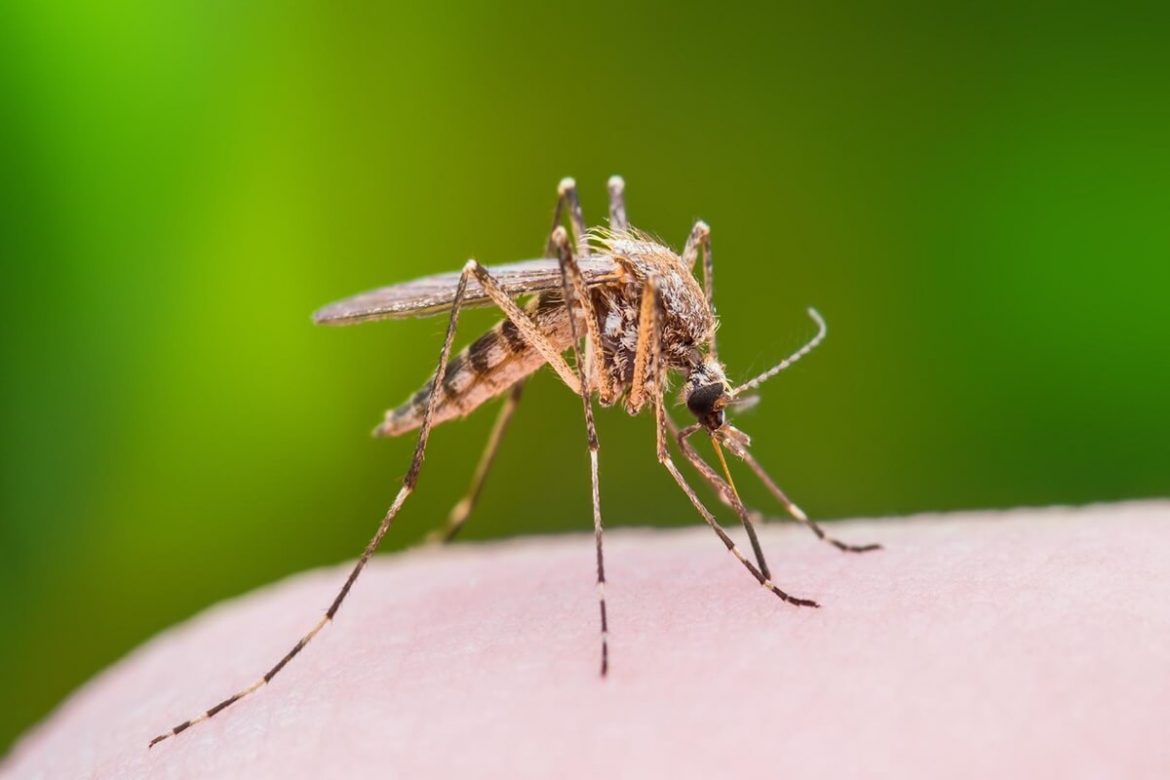
In a major effort to control the spread of mosquito-borne diseases, health officials from the Amdavad Municipal Corporation (AMC) took action against hospitals and commercial establishments that were found to be mosquito breeding grounds. Notices were issued and administrative charges were collected from violators.

According to a media report, total of ₹6 lakh was collected from 276 commercial units during inspections carried out across areas like Maninagar, Lambha, Bodakdev, Thaltej, and Khadia. Inspections covered scrap shops, hotels, hospitals, and other establishments. Mosquito breeding was found in places such as scrap metal heaps, old tyres, terraces, water tanks, refrigerator trays, and bird feeders.
The drive is part of a broader public health push to eliminate mosquito-borne diseases like malaria, which is transmitted by female Anopheles mosquitoes. While malaria is both preventable and treatable, it continues to be a serious health threat.
India has made significant progress in malaria control. According to the World Malaria Report 2024 by the WHO, India saw a 69% drop in malaria cases and a 68% reduction in related deaths from 2017 to 2023. The country now contributes only 0.8% of global malaria cases and, in 2024, exited the WHO’s High Burden to High Impact (HBHI) group — a major milestone.
Globally, WHO reports that since 2000, 2.2 billion malaria cases and 12.7 million deaths have been prevented. While 45 countries and one territory have been certified malaria-free, malaria still claims nearly 6 lakh lives each year, with the African region bearing the highest burden.
India aims to eliminate malaria by 2030, with a target of zero cases by 2027.