A group of nine young women living in a hostel in Ahmedabad while pursuing their studies gradually became friends. Over time, six of them formed a close-knit group, with their friendship deepening as they began using drugs together. The extent of their substance abuse came to light when one of the women returned home for a vacation and her father noticed unusual changes in her behaviour. A subsequent inquiry revealed that drug addiction had spread across the group.

Treatment at de-addiction centre exposes organised drug network
When the families of the other women were informed, two of them were admitted to a de-addiction centre for treatment. Although both were discharged after completing treatment, one reportedly relapsed within days, returning to drug use.
During treatment and counselling sessions, patients reportedly revealed an organised network involved in circulating substances such as MD drugs and cannabis. The pattern, according to sources associated with de-addiction centres, involves introducing drugs to one individual before gradually drawing their friends and wider social circle into substance use.
The revelations come amid concerns over drug manufacturing and distribution in Gujarat, following the recent detection of a drug manufacturing unit in Ahmedabad and renewed calls for a drug-free state.
Gujarat witnessing a growing drug culture among youth
According to experts, smoking and substance use are particularly prevalent among young people aged 18 to 35 in Ahmedabad and other parts of Gujarat. Sources associated with addiction treatment estimate that around 90% of those progressing from smoking to drug or cannabis use are male, while 10% are female.
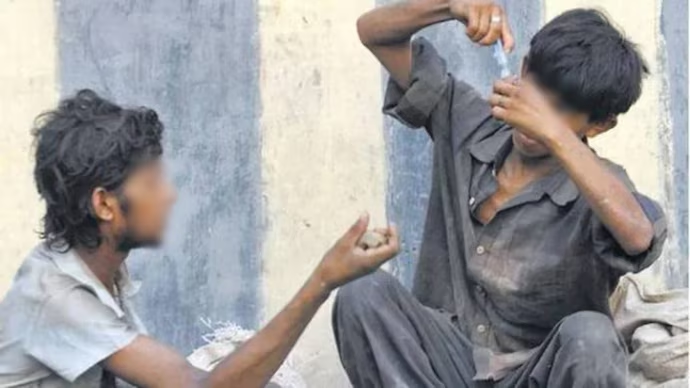
Drug consumption through smoking is reportedly more common in Gujarat than consumption through injections. The growing popularity of party drugs has also raised concerns about the emergence of a drug culture resembling patterns seen in Punjab.
More than 50 government and private de-addiction centres are reportedly operating across Gujarat, with the number of people seeking treatment continuing to rise. Cases involving drug consumption at bachelor parties have also emerged during treatment and counselling, leaving families shocked.
Families changing cities to help children overcome addiction
In some cases, families have reportedly moved to different cities or even states in an attempt to help their children break free from substance dependence.
Nearly 1.25 lakh people in Gujarat seek treatment every year for addiction to intoxicants and alcohol. Cases of people seeking de-addiction treatment in the state have reportedly increased by 95% over the past six years. In Ahmedabad, the number of patients approaching de-addiction clinics has risen by 25% to 40% since 2020.
Data presented in the Rajya Sabha indicate that approximately 7.9 lakh people in Gujarat use opiate substances, while 6.9 lakh use pharmaceutical opioids and 4.8 lakh consume cannabis.
A study under the National Mental Health Survey of India found that fewer than 10% of affected individuals actively engage in rehabilitation programmes.
The proportion of people seeking treatment for alcohol addiction compared with drug addiction has also reportedly changed since the COVID-19 pandemic. According to the figures cited, the distribution shifted from 80% alcohol addiction and 20% drug addiction to 60% and 40%, respectively.
Curiosity, peer pressure and attempts to cope with stress can initially lead young people towards substance use. However, once consumption develops into dependence, controlling it becomes increasingly difficult. Experts stress that sustained family support, care and emotional understanding are essential to helping individuals recover.
De-addiction treatment can extend up to three months
Gujarat has around two dozen private de-addiction facilities, in addition to treatment services at 34 government district hospitals, where the state government has allocated 510 beds for people struggling with addiction.
Treatment programmes can range from 15 days to three months and include psychological counselling and rehabilitation. However, continued family involvement and vigilance are considered important for preventing relapse and supporting long-term recovery.
Are tobacco shops becoming gateways to drug addiction?
Sources associated with addiction treatment have also raised concerns about the possible role of certain paan and cigarette shops in facilitating access to drugs.
They suggest that some vendors, initially approached by young people for cigarettes, may allegedly act as intermediaries or guides, introducing them to other substances. Experts believe that suspicious outlets in Ahmedabad and other urban centres need closer scrutiny to identify potential links with drug distribution networks.