
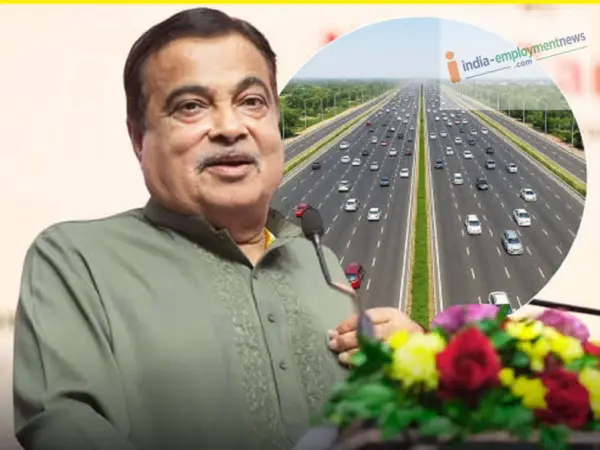
Motorists travelling on India’s expressways have been given a fresh reason to pay attention to speeding rules following a statement by Union Road Transport and Highways Minister Nitin Gadkari regarding the issuance of traffic challans. The minister reportedly instructed officials not to penalise drivers travelling at speeds of up to 120 kmph, while also referring to a 20% margin above the prescribed speed limit.

The statement has raised questions about how speeding violations will be handled on expressways and whether motorists can drive beyond the posted limits without facing penalties. However, drivers should not interpret the announcement as permission to disregard existing speed restrictions. The applicable limit depends on the road, the vehicle category and the rules in force.
Can You Drive at 120 kmph Without a Challan?
The reported directive refers to a threshold of 120 kmph and a possible tolerance of up to 20% above the prescribed speed limit. For example, if a road has a speed limit of 100 kmph, a 20% increase would amount to 120 kmph.
However, this calculation does not independently establish a legal exemption from speeding penalties. Motorists should verify the applicable regulations and any official instructions issued by the authorities before assuming that driving above a posted limit will not attract a challan.
What Happens If You Exceed the Speed Limit?
Drivers travelling substantially above the prescribed limit may face enforcement action under the applicable traffic rules. For instance, a vehicle travelling at 144 kmph on a stretch with a 120 kmph limit would be moving 24 kmph above the permitted speed.
The penalty applicable in such cases depends on the relevant rules and enforcement provisions. Motorists should therefore avoid relying solely on reports of a permissible margin when deciding how fast to drive.
Highway Monitoring to Get a Technology Boost
The government is also working towards improving traffic surveillance on national highways through an Automatic Traffic Management System (ATMS). Technology-based monitoring can help authorities detect traffic violations and strengthen enforcement on busy road corridors.
Before beginning an expressway journey, motorists should check the speed limit displayed along the route, ensure their vehicles are roadworthy, inspect tyre conditions and fuel levels, and confirm that their FASTag has sufficient balance.
The key takeaway: Drivers should continue following the officially prescribed speed limits and road signs. A reported statement about challan enforcement should not be treated as a blanket exemption from speeding rules.