
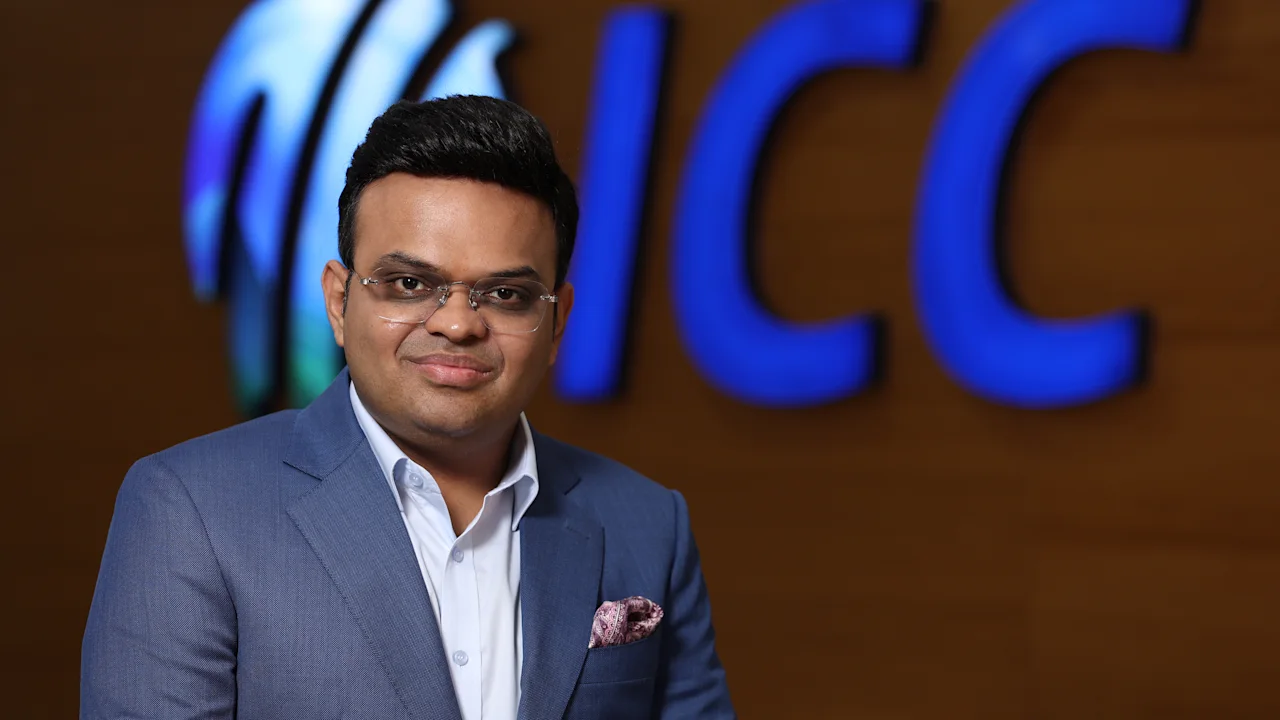
Jay Shah has been unanimously reappointed as Chairman of the International Cricket Council (ICC) for a second consecutive term, securing another stint at the helm of world cricket’s governing body. His reappointment was confirmed during the ICC Board meetings held in Bali after directors proposed his continuation in the role. No other candidate was put forward.

The ICC Board expressed confidence in Shah’s leadership, highlighting the importance of continuity as cricket enters a crucial phase of international expansion. The sport is looking to attract new audiences, strengthen its commercial prospects and widen its global footprint. Another major milestone on the horizon is cricket’s return to the Olympic programme at the Los Angeles 2028 Games, which is expected to provide fresh opportunities for the sport to reach a wider audience.
During its meetings, the Board also reiterated its focus on developing women’s cricket, creating better opportunities for Associate Members, safeguarding the integrity of international competitions and establishing sustainable revenue streams. Strengthening the sport’s grassroots structure and ensuring long-term growth across different cricketing nations will remain among its key priorities.
Reacting to his reappointment, Shah expressed gratitude to the ICC Board and its directors for their continued confidence. He described the chairmanship as both an honour and a responsibility, adding that he would work closely with member nations to advance cricket’s interests worldwide.
Shah said cricket’s inclusion in the LA28 Olympics presents a significant opportunity to introduce the sport to new audiences and encourage the next generation of players and supporters. He also stressed that the ICC’s responsibility goes beyond organising major tournaments, with greater emphasis needed on fans, players, commercial partners and other stakeholders.
He further underlined cricket’s ability to unite people across countries and cultures, stating that the focus during his second term would be on translating the sport’s ambitions into concrete action and creating a lasting legacy.
England and Wales Cricket Board Chair Richard Thompson congratulated Shah, saying his continued leadership comes at a critical juncture for international cricket. He emphasised the need to strengthen the international playing calendar, preserve the importance of bilateral contests and ensure major ICC tournaments remain relevant. Thompson also highlighted the challenge of balancing cricket’s traditional formats with changing commercial trends and the expectations of newer audiences.
ICC Independent Director Dr Ros Rivaz welcomed Shah’s continuation, particularly in the context of women’s cricket. She said the sport’s growing popularity must be supported by stronger opportunities for women across different countries. Rivaz also called for continued efforts to help women cricketers whose opportunities to participate have been disrupted.
ICC Deputy Chair and Zimbabwe Cricket Chair Tavengwa Mukuhlani described Shah as a leader committed to bringing member nations together. Highlighting the significance of the 2027 Men’s Cricket World Cup in Africa, he said the tournament could introduce cricket to new audiences and accelerate the sport’s development across the continent.
New Zealand Cricket Director Roger Twose also backed the reappointment, pointing to the importance of collective decision-making among member nations. He stressed that cricket must expand internationally while protecting the traditions and appeal of its different formats.
Meanwhile, ICC Associate Member Chair Gurumurthy Palani said the sport’s global growth must translate into meaningful benefits for developing cricket nations. He called for improved access to international competitions, stronger development programmes and greater investment to help Associate Members establish sustainable cricketing structures.
The reactions from ICC officials and member representatives reflected a shared emphasis on expanding cricket’s reach while strengthening its international structure during Shah’s second term.