
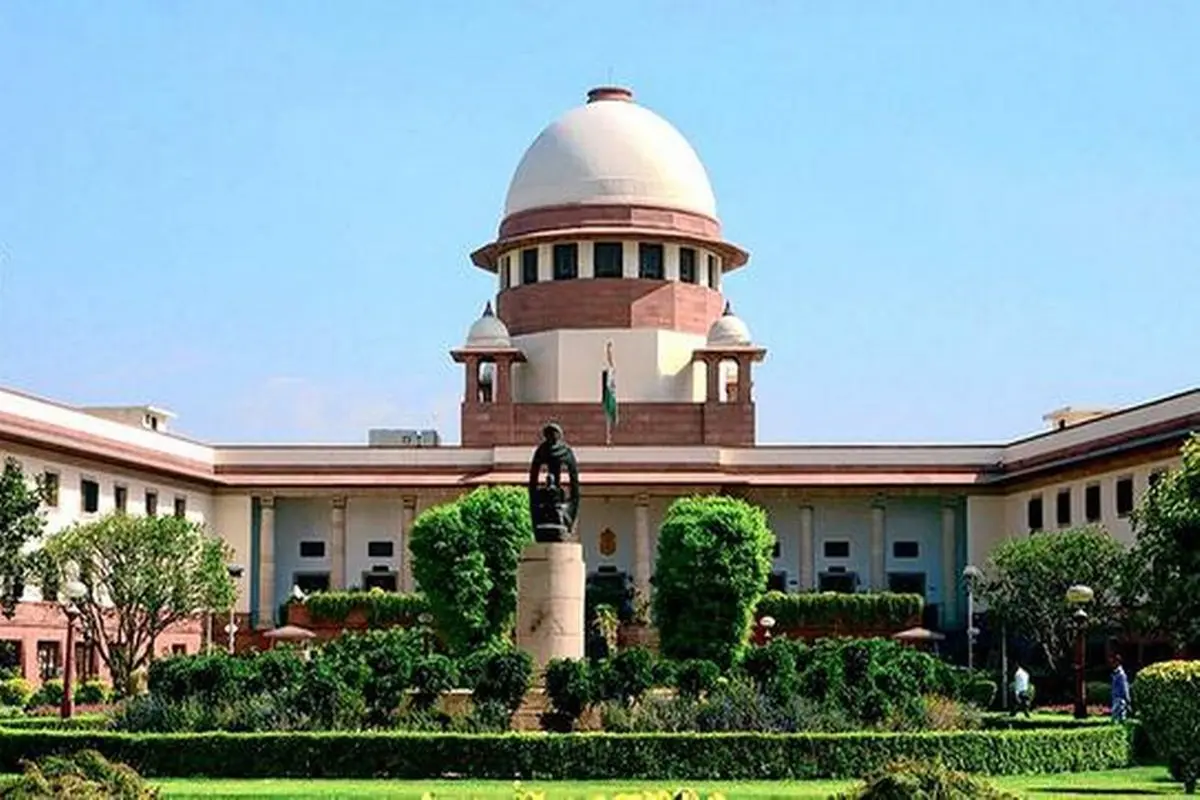
The Supreme Court has ruled that a grandson does not have an automatic birthright claim over his grandfather’s property, clarifying the legal position on inheritance under the Hindu Succession Act.

The verdict came in a property dispute originating in Chennai that had remained in litigation for nearly three decades. The court dismissed a plea filed by a minor grandson, who had claimed coparcenary rights over his grandfather’s estate.
The dispute arose after the grandfather’s death, when the property was divided through a partition agreement in 1994. Under the arrangement, the grandson’s father received a share, which he later sold. Challenging the sale, the grandson, represented by his mother, claimed a right to the property by birth.
However, the Supreme Court bench clarified that under Section 8 of the Hindu Succession Act, 1956, property inherited by a son from his father devolves upon him as an individual asset and does not automatically become joint family property. The provision identifies Class I heirs, including the son, daughter, widow and mother of the deceased.
The court held that once the father inherits the property in his individual capacity, his son cannot claim an automatic birthright share in it as a coparcener. Upholding the findings of the lower courts and relying on a 1986 precedent, the ruling reinforces the distinction between ancestral joint family property and property inherited by an individual under the Hindu Succession Act.