
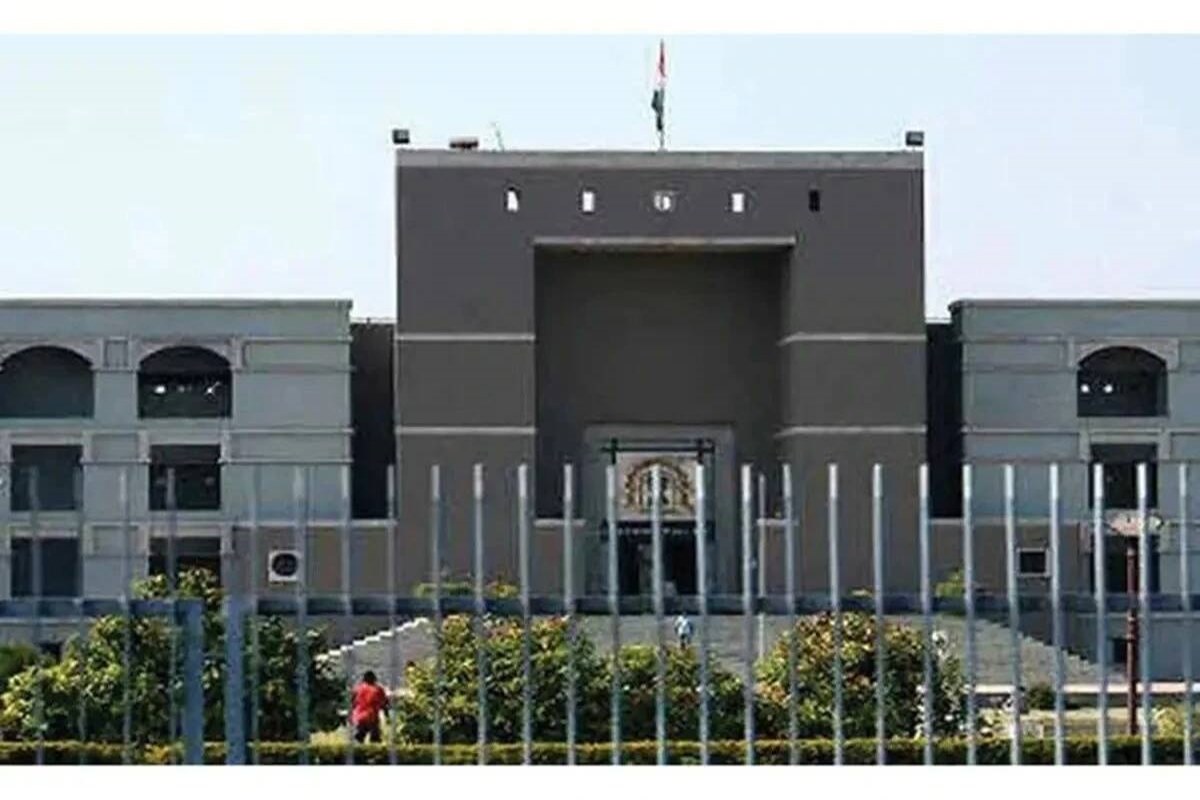
The Gujarat High Court has directed the State Government to begin enforcement against banned kite-flying materials well before Uttarayan, asking authorities not to wait until the end of October or closer to the festival to act.

The directions were issued by a Division Bench headed by Chief Justice Sunita Agarwal while hearing a Public Interest Litigation on the use of hazardous kite-flying materials. The matter was heard on September 25.
The court directed the State to issue all necessary prohibitory circulars, statutory notifications and enforcement directions before the start of Navratri on October 11. The State Government gave an undertaking that the required notifications and circulars incorporating the court’s earlier directions would be issued before the deadline.
The matter has been listed for October 9, when the court will examine the compliance.
Action to begin before festival season
During the hearing, the State’s counsel submitted that formal enforcement normally begins towards the end of October. The Chief Justice questioned the delay, observing that authorities later cite Navratri and Diwali duties, which can push enforcement further towards December or the Uttarayan period.
The court noted that manufacturers and distributors can begin producing and stocking prohibited synthetic thread as early as September. By the time enforcement starts in December or just before Uttarayan, large quantities may already have reached the market.
The bench therefore stressed that action should target the manufacturing and distribution stages rather than focus only on the festival period.
Raids at manufacturing units
The court directed law enforcement agencies to conduct targeted raids at manufacturing units in known areas during September and October.
The bench emphasised that prohibited material should be seized before it reaches retailers and consumers. Action at the manufacturing stage, it said, can disrupt the supply chain and create legal and financial consequences for those involved.
Chinese manja and tukkal under focus
The proceedings covered Chinese manja, including synthetic or plastic-component kite thread that is non-biodegradable and can pose risks to people, birds and other wildlife.
The court also considered Chinese tukkal or sky lanterns, which are prohibited because they can cause fires when they drift and land uncontrollably.
The bench distinguished ordinary cotton kite thread from glass-coated thread. While plain cotton thread is permitted, glass-coated kite thread is subject to restrictions. The court said communications issued at the grassroots level should clearly mention glass-coated thread along with plastic or synthetic manja to avoid confusion.
Court takes note of bird injuries
The bench also took note of reports that more than 10,000 birds are injured every year during the festival season because of hazardous kite strings, including glass-coated and synthetic threads.
The court said the objective was not to stop traditional kite flying or interfere with the cultural aspects of Uttarayan, but to prevent the use of materials that endanger people and wildlife and ensure that existing prohibitions are enforced.
Focus on awareness and enforcement
The Chief Justice also stressed the need to change public attitudes towards prohibited kite-flying materials.
The court observed that regular enforcement, seizure of illegal stock and action against violators could help change behaviour over time. It stressed that manufacturers, distributors and users must face consequences for violating the restrictions.
The case will be taken up again on October 9 to review the State’s compliance with the directions and its undertaking.