
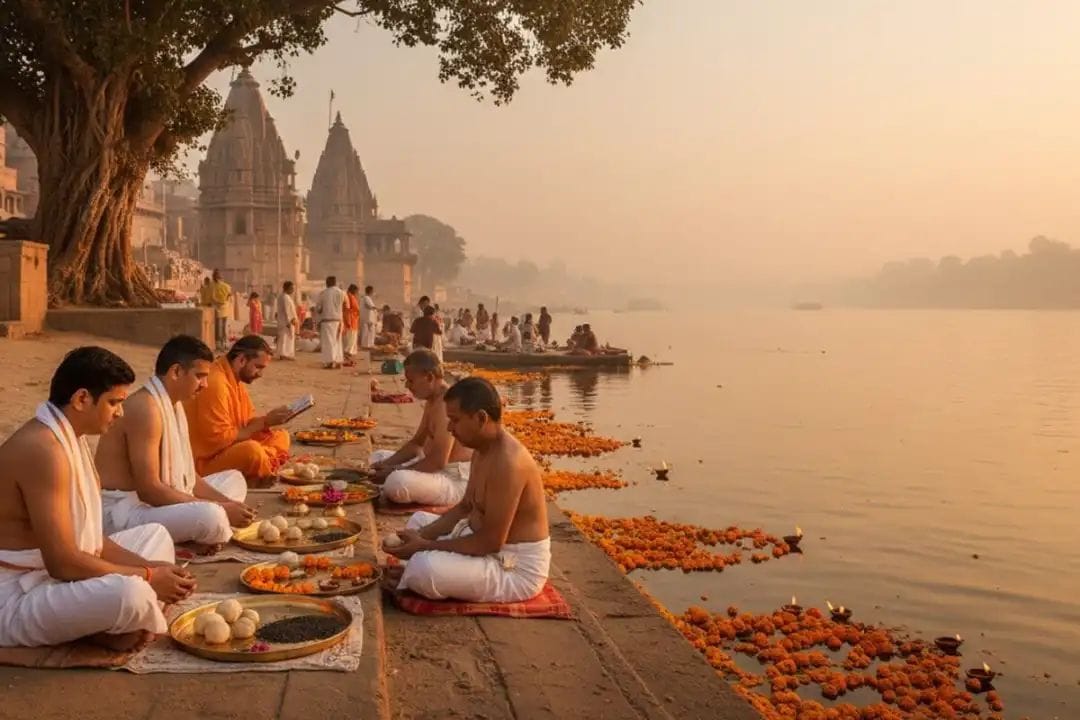
Pitru Paksha begins on September 27 with Pratipada Shraadh and will end on October 10 with Sarva Pitru Amavasya. During this period, many Hindu families remember their ancestors through Shraadh rituals, tarpan, food offerings and charity.

While customs differ from family to family and across regions, many people observe Pitru Paksha with simplicity and restraint. Here are seven activities that are commonly avoided during Shraadh:
1. Holding major celebrations
Many families avoid or postpone weddings, engagements, housewarming ceremonies and other major celebrations during Pitru Paksha. However, regular activities such as work, studies and travel generally continue.
2. Buying luxury or non-essential items
Some people avoid purchasing expensive clothes, jewellery and other luxury items during this period. Essential purchases, however, do not generally need to be postponed.
3. Eating non-vegetarian food
Many households follow a simple vegetarian diet during Shraadh and avoid meat, fish and eggs. Some families also avoid onion and garlic while performing the rituals. Food practices can vary depending on family and regional traditions.
4. Drinking alcohol
People observing Shraadh often avoid alcohol as part of the period’s focus on discipline and restraint. The practice, however, differs among households.
5. Wasting food
Food plays an important role in Shraadh rituals, including offerings made in memory of ancestors and meals served to others. Families often prepare only as much food as needed and avoid unnecessary wastage.
6. Getting into family arguments
Pitru Paksha is traditionally a time for remembrance and reflection. Many families therefore try to maintain a peaceful atmosphere and avoid unnecessary arguments or conflicts, particularly over family matters.
7. Cutting hair or nails on the Shraadh day
According to some traditions, the person performing Shraadh avoids cutting hair, shaving or trimming nails on the day of the ritual. Some families follow these restrictions throughout Pitru Paksha, while others do not observe them.
These practices are based on family and regional traditions and are not meant to create fear around Pitru Paksha. The period is primarily observed as a time to remember and express gratitude towards ancestors.