
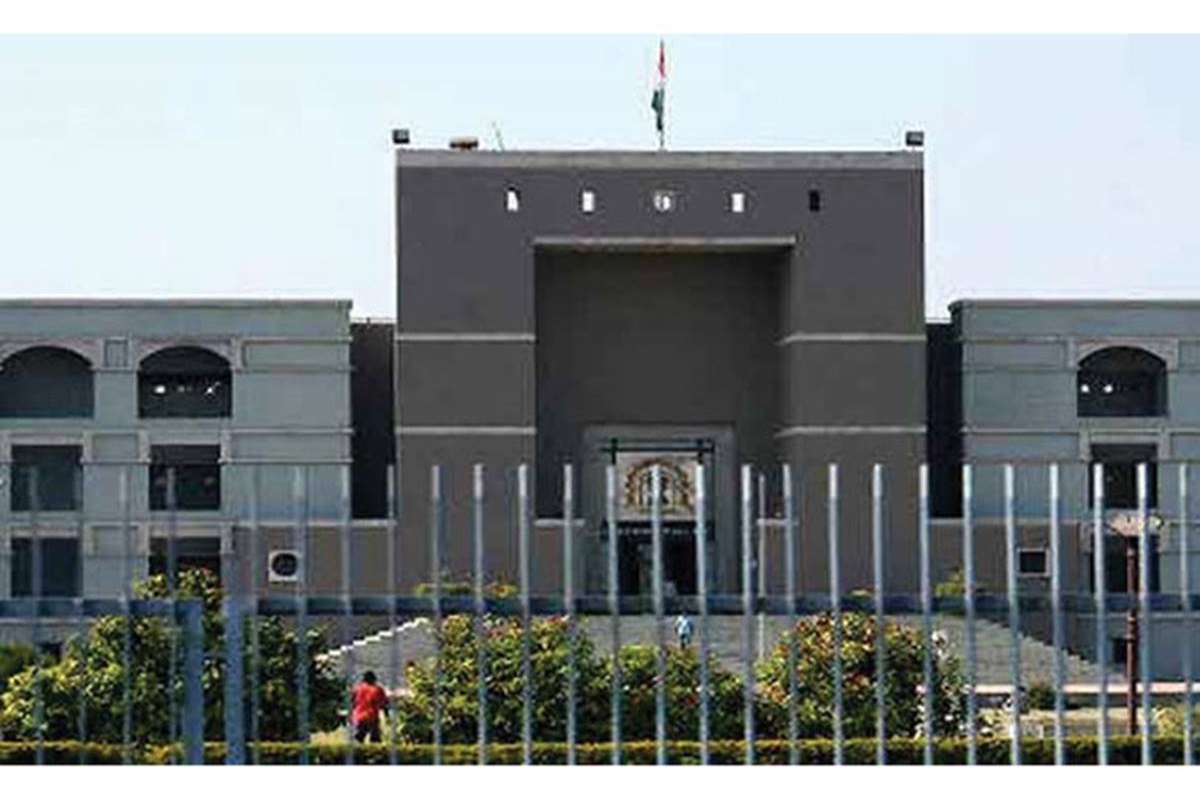
The Gujarat High Court has ruled that passport authorities have no power to decide whether an individual has the right to travel abroad, holding that such permission can be granted only by the trial court.

Justice Aniruddha P. Mayee made the observation while hearing a plea filed by Dhaval Sureshbhai Makwana, who sought directions to passport authorities to issue him a fresh passport despite criminal proceedings being pending against him. The court directed the authorities to issue him a passport valid for 10 years in accordance with the Passports Act and Rules.
In its order dated January 5, the court said passport authorities are limited to issuing or renewing passports as per statutory provisions and judicial orders. “They do not have the authority to decide whether an accused has a right to travel abroad. That power rests solely with the trial court, which may impose conditions if an application seeking permission to travel is made,” the court observed.
Key observations
- Passport authorities cannot decide an accused’s right to travel abroad.
- The power to permit or restrict foreign travel lies exclusively with the trial court.
- Passport offices must issue or renew passports as per the Passports Act, Rules and court orders.
- If the petitioner wishes to travel abroad, he must seek permission from the concerned trial court.
- The trial court is free to impose appropriate conditions.
- Applications for passport issuance must be decided within four weeks.
The court also referred to a 1993 notification under the Passports Act that allows issuance of passports to persons facing criminal proceedings, subject to court permission. It cited a 2014 Bombay High Court verdict, which held that once a competent court permits issuance or renewal of a passport, passport authorities cannot impose independent restrictions. Though not binding, the Gujarat High Court said the ruling had strong persuasive value.
Case background
Makwana had approached the High Court seeking a direction to issue him a passport. In 2022, an FIR was registered against him under various sections of the Indian Penal Code, including causing hurt, criminal intimidation and abetment. After investigation, police filed a report stating no offence was made out, which was accepted by a magistrate’s court in November 2022.
However, the order was later challenged, and a sessions court allowed a criminal revision. A related petition filed by a co-accused is currently pending before the High Court.
Arguments
Counsel for the petitioner argued that the mere pendency of criminal proceedings cannot be grounds for denying a passport, especially when there is no court order restraining its issuance. The state, however, contended that individuals facing criminal cases must first obtain permission from the concerned court before a passport can be issued, adding that the petitioner had not yet formally applied to the passport authority.