
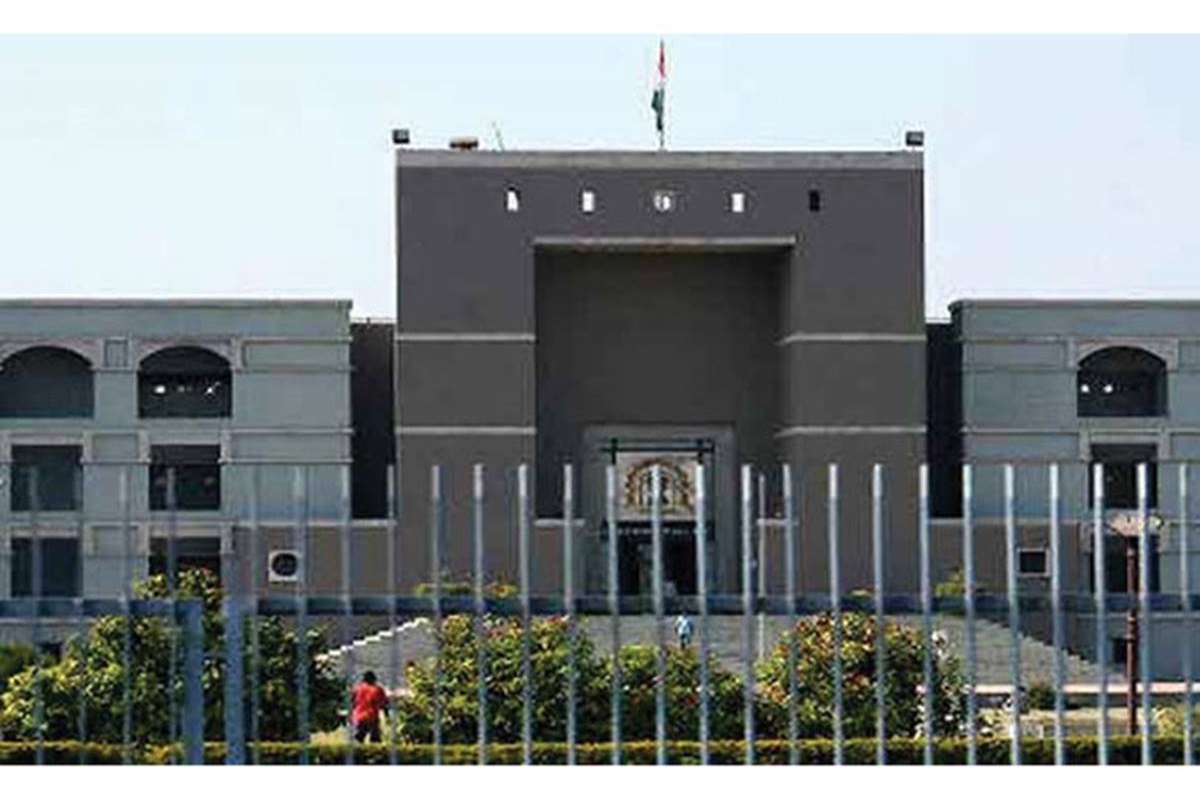
A month after a Class 10 student was murdered by a schoolmate at Seventh Day Adventist School in Khokhra, Ahmedabad, the Gujarat High Court on Wednesday proposed that the school admit 1,000 children — about 10% of its strength — either free of cost or at a nominal fee as a tribute to the victim.

Justice Nikhil Kariel said such a move would be “a true tribute to the deceased student” and directed the case to be heard again next week. The court also ordered strict enforcement of the state’s School Safety Policy.
RTE quota and compliance questions
Under the Right to Education (RTE) Act, private unaided schools must reserve 25% of seats in Class 1 for students from disadvantaged groups, though minority institutions are exempt. Seventh Day Adventist School has minority status for its higher-secondary section and is seeking the same for its primary wing, which affects the applicability of the RTE quota. The HC clarified that its suggested 10% low-fee quota would be in addition to the existing legal requirement.
The District Education Officer (DEO) had earlier issued a notice to the school, which the HC upheld, giving the DEO full authority to examine compliance. During the hearing, Justice Kariel questioned whether the school was following the RTE mandate or offering scholarships. The government’s lawyer said officials had tried unsuccessfully for two years to ensure compliance, while the school’s counsel said a scholarship had been announced in the victim’s memory.
Sympathy for parents, concern for 10,000 students
The victim’s parents sought to join the proceedings. Offering condolences, the court said, “No parent should have to face such a tragedy,” but emphasised that the education of 10,000 other students could not be put at risk. The accused has already been arrested.
School authorities also raised concerns over Central Board exams scheduled in November. Currently, about 40 police personnel guard the campus during the day and 30 at night, while CCTV installation is being considered. Classes can resume only with police and education department clearance.
The court said the parents could be part of the DEO’s committee probing compliance, calling the case “an eye-opener,” and directed full cooperation from the school.
Worry over exposure to violence
All sides in court agreed that children are increasingly imitating violent behaviour seen on mobile phones. Justice Kariel suggested schools appoint qualified counsellors, while the government counsel noted that though India does not have a “gun culture” like the US, student safety must remain the top priority.