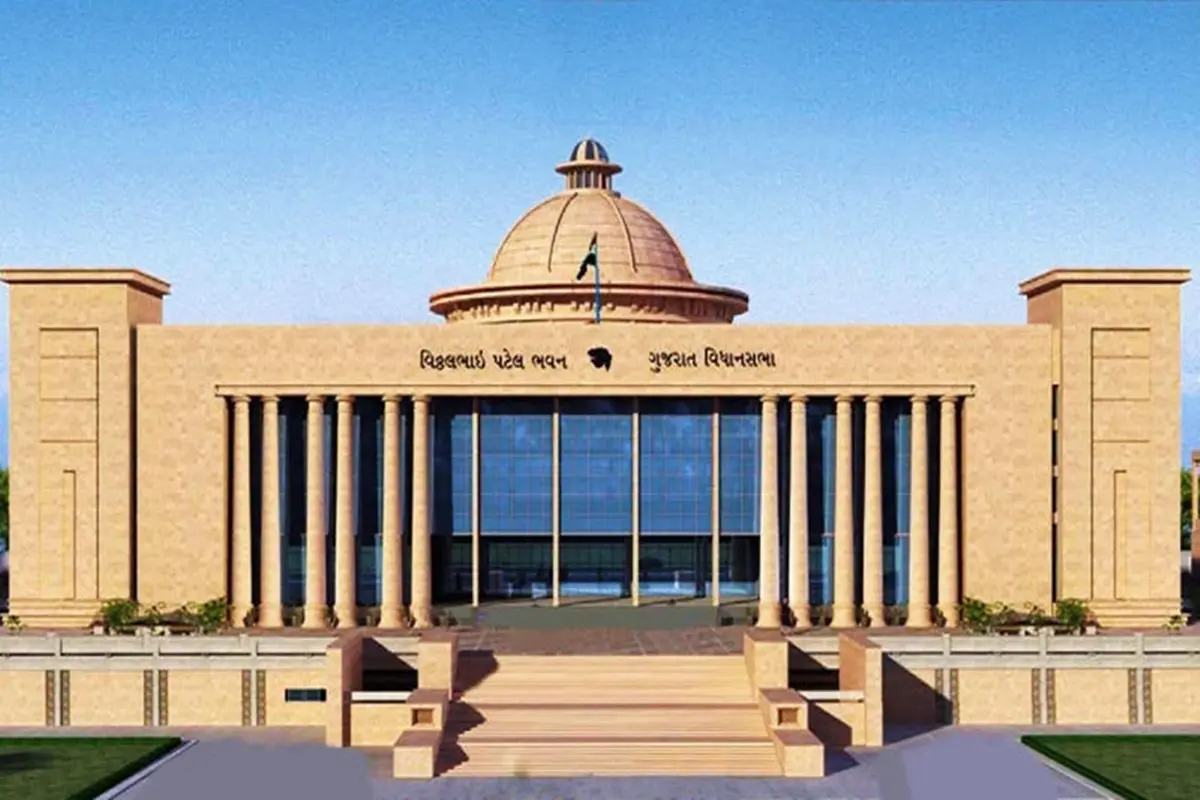
Gujarat could witness a significant expansion of its electoral representation under the proposed delimitation exercise, with its Lok Sabha strength potentially increasing from 26 to 39 seats and the number of Assembly constituencies rising from 182 to 273. The proposed expansion could also reshape the state’s political boundaries, with several existing constituencies likely to be reorganised and new seats created, particularly in urban areas.

The proposal has gained political significance following the Centre’s decision to connect the implementation of the Nari Shakti Vandan Adhiniyam, which provides 33% reservation for women in legislatures, with the delimitation process. The Union Cabinet cleared the proposal on Friday, ahead of its expected discussion during the special session of Parliament beginning November 30.
The proposed restructuring will be undertaken based on population figures from the next Census. Once the Census exercise is completed, constituency boundaries will be redrawn and the number of seats revised. Political observers expect the new electoral arrangement in Gujarat to potentially become effective by the 2032 Assembly elections.
The Nari Shakti Vandan Adhiniyam, passed through the 106th Constitutional Amendment in 2023, provides for one-third reservation for women in the Lok Sabha, state Legislative Assemblies and the Delhi Assembly. Delimitation, on the other hand, determines the number of constituencies and redraws their geographical boundaries to reflect population changes.
The women’s reservation law was initially expected to come into effect in April 2026. However, the Centre’s move to link its implementation with delimitation has attracted criticism from Opposition parties. The proposed exercise could increase the strength of Lok Sabha and state Assemblies by approximately 50%.
If the proposed expansion is implemented, Gujarat would gain 13 additional Lok Sabha constituencies and 91 Assembly seats. The exercise is also expected to alter the boundaries of several existing constituencies rather than simply adding new ones. As a result, some current constituencies could cease to exist in their present form.
The implementation of 33% women’s reservation could mean that 13 Lok Sabha constituencies and 91 Assembly seats in Gujarat would be reserved for women. The number of Rajya Sabha seats may also be revised in line with the expansion of the state’s legislative representation. Seats reserved for Scheduled Castes and Scheduled Tribes are also expected to increase, with their final allocation depending on population data from the next Census.
Urban regions are expected to see a considerable increase in political representation under the proposed arrangement. Estimates suggest that the number of urban constituencies across Gujarat could rise by 50 to 60. However, the final distribution of seats and revised constituency boundaries will be determined only after the Census and subsequent delimitation exercise are completed.