
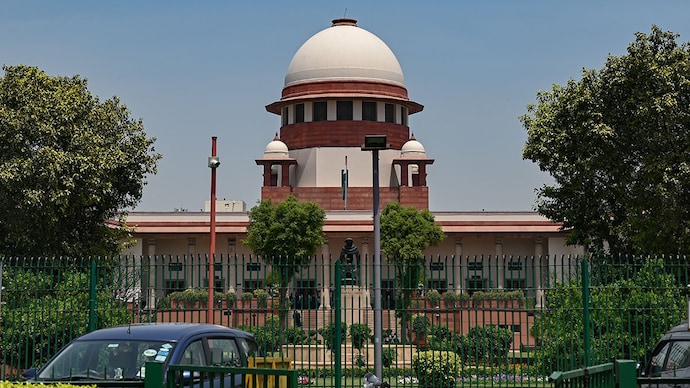
The Supreme Court has ruled that self-financed colleges and institutions cannot increase fees for professional courses midway through the academic programme. The court said students must be informed of the total course fees before admission so that they and their families can plan their finances accordingly.The ruling is significant for students pursuing engineering, pharmacy, architecture and other professional courses, as an unexpected fee hike can place a heavy financial burden on families.

Dispute Over Fee Hike in West Bengal
The case concerns students from the 2023-27 B.Tech batch of Dr. B.C. Roy Engineering College in West Bengal.On October 16, 2023, the state government introduced a revised fee structure for private engineering, pharmacy and architecture colleges. Subsequently, on December 15, 2023, the college increased the semester fees for the concerned students and introduced development fees.According to reports, the changes increased the students’ overall fee burden by approximately 37.5%.
Students Challenge Fee Increase in Court
The students challenged the fee hike before the Calcutta High Court. The High Court ruled that the revised fee structure could apply only to students admitted on or after October 16, 2023.The college and other concerned parties subsequently approached the Supreme Court, challenging the High Court’s decision.
Supreme Court Emphasises Fee Transparency
On October 14, 2026, a bench comprising Justice Pamidighantam Sri Narasimha and Justice Alok Aradhe delivered its verdict in the case of Dr. B.C. Roy Engineering College and Energy vs. Government of West Bengal and Others.The court emphasised that institutions offering self-financed professional courses must maintain fee stability throughout the course. Students should know the total cost of their education before accepting admission, allowing them to make informed decisions.
Fee Changes Allowed Only in Exceptional Circumstances
The court recognised that professional education involves a substantial financial commitment for many Indian families, some of whom rely on education loans to pay college fees. An unexpected increase can disrupt their financial planning.However, fee revisions may be considered in exceptional circumstances, such as a major economic crisis or a change in the law. Colleges cannot use these exceptions to cover up poor planning or their own shortcomings.The court also stressed that fee-fixation committees must complete their work on time and determine fees based on actual expenditure and audited financial records.The ruling reinforces the importance of transparency and financial certainty in professional education, providing students and their families with greater protection against unexpected fee increases.