
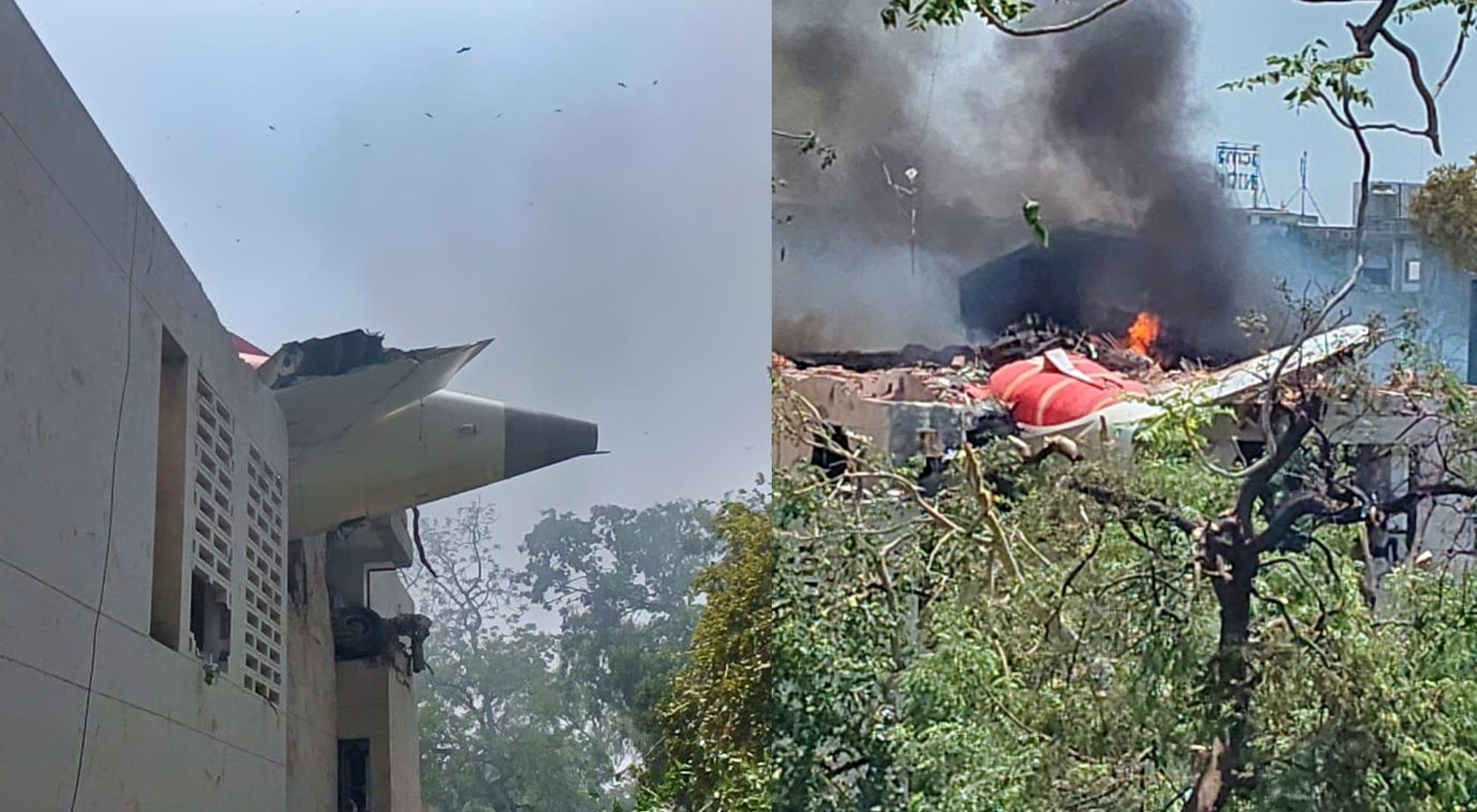
The Federation of Indian Pilots (FIP) has questioned the conclusions of the interim investigation into the crash of Air India Flight AI 171 near Ahmedabad on June 12, 2025, claiming that fresh simulator tests indicate a major electrical failure, rather than deliberate pilot action, may have caused the accident.

Addressing a press conference, FIP President Captain C.S. Randhawa alleged that critical technical evidence had been overlooked and that experienced aviation experts were not adequately involved in the investigation.
The interim report had suggested that the aircraft’s fuel supply to both engines was manually cut off, leading to a loss of thrust shortly after take-off. Investigators stated that the aircraft’s Ram Air Turbine (RAT) — an emergency backup power system — deployed four seconds after the fuel supply was interrupted.
However, Randhawa said simulator tests conducted by the pilots’ federation under conditions replicating the aircraft’s weight, balance and weather environment produced different results.
According to the FIP, the simulations showed that a manual fuel cut-off would take approximately 18 seconds before triggering deployment of the backup turbine, making the four-second timeline mentioned in the interim report inconsistent with a manual shutdown scenario.
Based on these findings, the federation has argued that a significant electrical failure may have occurred before the engines lost power, causing multiple system malfunctions and leading to the deployment of the emergency turbine.
The pilots’ body also pointed to reports that the sole survivor of the crash had observed cabin lights flickering moments before the aircraft lost altitude. According to the FIP, this observation is consistent with the possibility of a major electrical malfunction.
The federation further claimed that the aircraft involved in the crash had a history of unresolved electrical issues prior to the accident.
Randhawa also alleged that Captain R.S. Sandhu, whom the federation describes as one of India’s most experienced Boeing 787 pilots, was not sufficiently involved in the technical investigation process.
The FIP said it has submitted its simulator data and findings to aviation authorities and aircraft manufacturer Boeing for review.
The federation has called for a detailed examination of the discrepancies related to the emergency turbine deployment timeline and has urged authorities to ensure a transparent and comprehensive investigation before final conclusions are drawn.
The final accident investigation report is still awaited.