
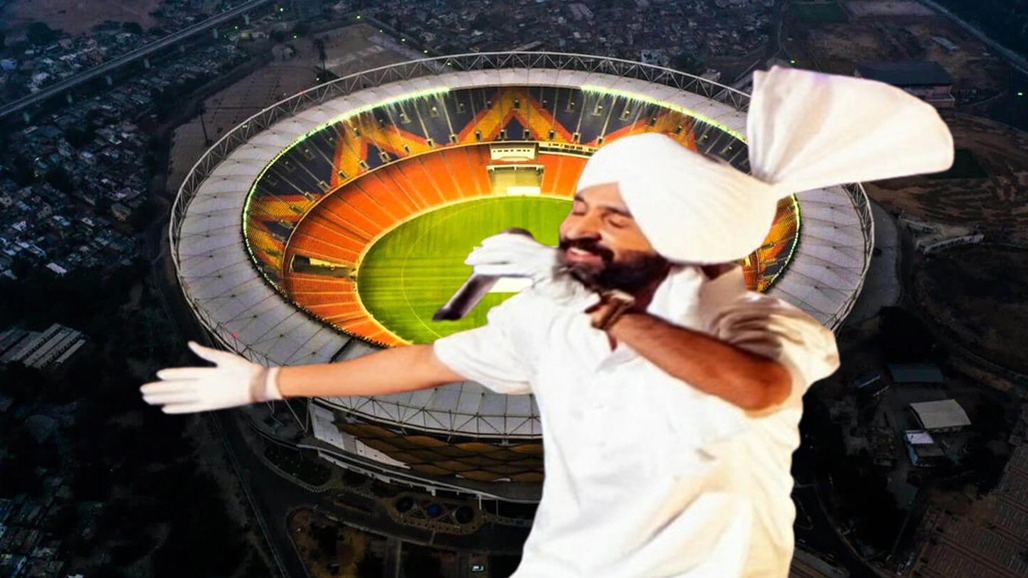
Punjabi singer Diljit Dosanjh has questioned the restrictions placed on some of his songs, alleging different standards for Indian and international artistes. Addressing the issue during his Ahmedabad concert at Narendra Modi Stadium, the singer drew a comparison with British band Coldplay’s performance of ‘Hymn for the Weekend’, questioning why similar lyrical references were accepted from international performers while his own tracks faced objections.

The controversy erupted ahead of his Ahmedabad show after objections were raised against four songs from his repertoire — ‘Patiala Peg’, ‘Panj Tara’, ‘Je Bichcho Feem Labbiya’ and ‘Jatt Utthe Fire Karda’. The complaints alleged that the tracks contained references promoting alcohol consumption, drug use and gun culture. Authorities were also urged to restrict certain elements of his stage performance, including the use of bandoliers and inviting children on stage.
During the concert, Diljit referred to Coldplay’s performance of ‘Hymn for the Weekend’, which includes references to feeling ‘drunk and high’. He questioned why such content did not attract similar objections when performed by an international band. Clarifying that he had no issue with Coldplay, the singer raised concerns over what he described as unequal treatment of Indian artistes.
The objections were reportedly raised by Ahmedabad District Child Protection Officer Tanvika Parmar, who approached the police commissioner seeking restrictions on the four songs. The issue also followed complaints by Chandigarh-based academic Dr Pandit Rao Dharennavar, who cited a 2019 Punjab and Haryana High Court order concerning songs promoting alcohol and substance abuse.
Responding to the controversy, Diljit maintained that he wanted to continue representing Punjabi and Indian music on international platforms. He emphasised that he was proud to be an Indian and that the musicians accompanying him during his tours were also from the country.
The singer reiterated his commitment to taking Indian music to a global audience, adding that he would continue performing and contributing through his work. He also questioned why Indian performers should face restrictions that are seemingly not applied in the same manner to international artists.