
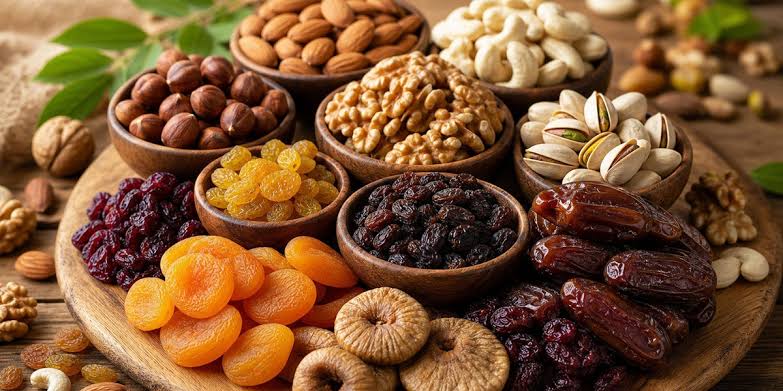
Diwali gifting is taking a different turn this year as soaring dry fruit prices force businesses to rethink their festive hampers. While corporate gifting budgets have largely remained unchanged, the quantity and variety of items in each box have reduced.

Chocolates, dehydrated fruits, sweets and namkeen are increasingly being added alongside traditional dry fruits to keep hampers attractive and affordable.According to market sources, dry fruit prices have increased by 40-50% compared with last Diwali, while sales have dropped by nearly 50%.
Vandan Shah, owner of Nipa Trading, a dry fruit wholesaler in Madhupura market, said almond prices had risen from around Rs 900 per kg last year to Rs 1,200 per kg. Pistachio prices have surged from Rs 1,200 to Rs 2,100 per kg. Mamra almonds, a premium variety that earlier cost Rs 2,200-2,400 per kg, now sell for Rs 3,600-4,000 per kg. Cashew prices have also increased significantly, while raisins remain relatively affordable at Rs 400-500 per kg.
The price rise has directly affected corporate gifting. A hamper that costs Rs 1,000 still carries the same price tag, but customers receive fewer items. Gift boxes that previously included six varieties or products now contain just two or three.
To manage costs, businesses are combining one or two premium dry fruits with raisins, dehydrated kiwi, apple, mango, orange and strawberry, or muesli. Some are opting for smaller jars with attractive packaging instead of elaborate gift assortments.
Vinod Agrawal, managing director of Arunaya Organics Pvt Ltd, said businesses were increasingly opting for customised gift combinations.“Earlier, we used to send only dry fruits with Diwali greetings. However, with rising prices, we have moved to this year’s trend of customised gifts, mixing dry fruits with sweets and namkeen,” he said.Chocolates, priced at around Rs 600-1,000 per kg, are also emerging as a cost-effective addition to festive hampers.
Meanwhile, handcrafted gift boxes that previously cost Rs 250-300 now sell for Rs 350-400, putting further pressure on gifting budgets.Dr Hiren Gandhi, secretary of the InGlobal Business Foundation, said shipping and insurance costs had increased by 50-60%, while transit times had tripled.
More than 55% of India’s almond imports reportedly come from the US, while around 20% are sourced from Iran. Pistachios are also imported from both countries, with Iran’s actual share potentially higher than official estimates.
With rising procurement, transportation and packaging costs, businesses are increasingly turning to smaller, customised hampers to maintain the festive gifting tradition without significantly increasing budgets.